Volume Of Aquarium Calculator: Gallons & Litres Converted
페이지 정보

본문
Setting occurring a tank is a rebellious joy. You purchase the glass. You choose the filter. later you stare at the bottom. It looks naked. Empty. You know you craving sand, but how much? If you guess, you fail. Ive been there. I following dumped forty pounds of black quartz into a twenty-gallon tank because it "looked right." Within a week, my plants were suffocating. The bottom of the tank looked subsequently a lunar wasteland. It was a disaster. To avoid my mistakes, you must learn to calculate substrate for aquarium needs properly from the start. Finding the ideal depth of sand isnt just roughly looking pretty. Its about biology. Its very nearly not letting your fish stimulate in a swamp of their own waste.
The logic seems simple. purchase sand. Pour sand. But alternative tanks have alternating souls. A cichlid tank needs a oscillate vibe than a high-tech planted scape. You aren't just buying floor covering. You are building a biological filter. This is where the aquarium sand amount becomes critical. If its too thin, your plants float away. If its too thick, you get those scary bubbles of toxic gas. Lets dive into the math, the mess, and the magic of getting your floor just right.
The Science of Sinking: Why Substrate sharpness Is More Than Just Aesthetics
Most people think sand is just for show. It isn't. Its a home for beneficial bacteria. In the hobby, we call this the "bio-film architecture." like you weigh the pounds of sand per gallon, you are calculating the surface place for these tiny workers. For a gratifying tropical community tank, the ideal height of sand is usually amid 2 and 3 inches. Why? Because it allows roots to anchor without creating "dead zones."
If you go under 1 inch, youre basically presidency a bare-bottom tank afterward glitter. It looks cheap. Your fish feel exposed. upon the flip side, going higher than 4 inches is asking for make miserable unless you are processing a Deep Sand Bed (DSB) system. I tried a 5-inch bed subsequently in a 55-gallon tank. I thought I was innate clever. I thought I was mimicking the Amazon. Instead, I created a gigantic lie in wait for detritus. every mature I moved a rock, a cloud of foul-smelling gas erupted. Its called hydrogen sulfide. Its nasty. It smells taking into account rotten eggs and regret.
For those of you growing muggy root feeders with Vallisneria, you compulsion that sand intensity for planted tanks to be substantial. objective for 3 inches at the back and taper it the length of to 1.5 inches at the front. This is a unchanging trick. It creates a wisdom of severity and perspective. It makes your tank look massive. Plus, the plants have great quantity of room to stretch their legsor roots, anyway.
The Math at the rear the Mesh: How to Use an Aquarium Substrate Calculator Without Failing
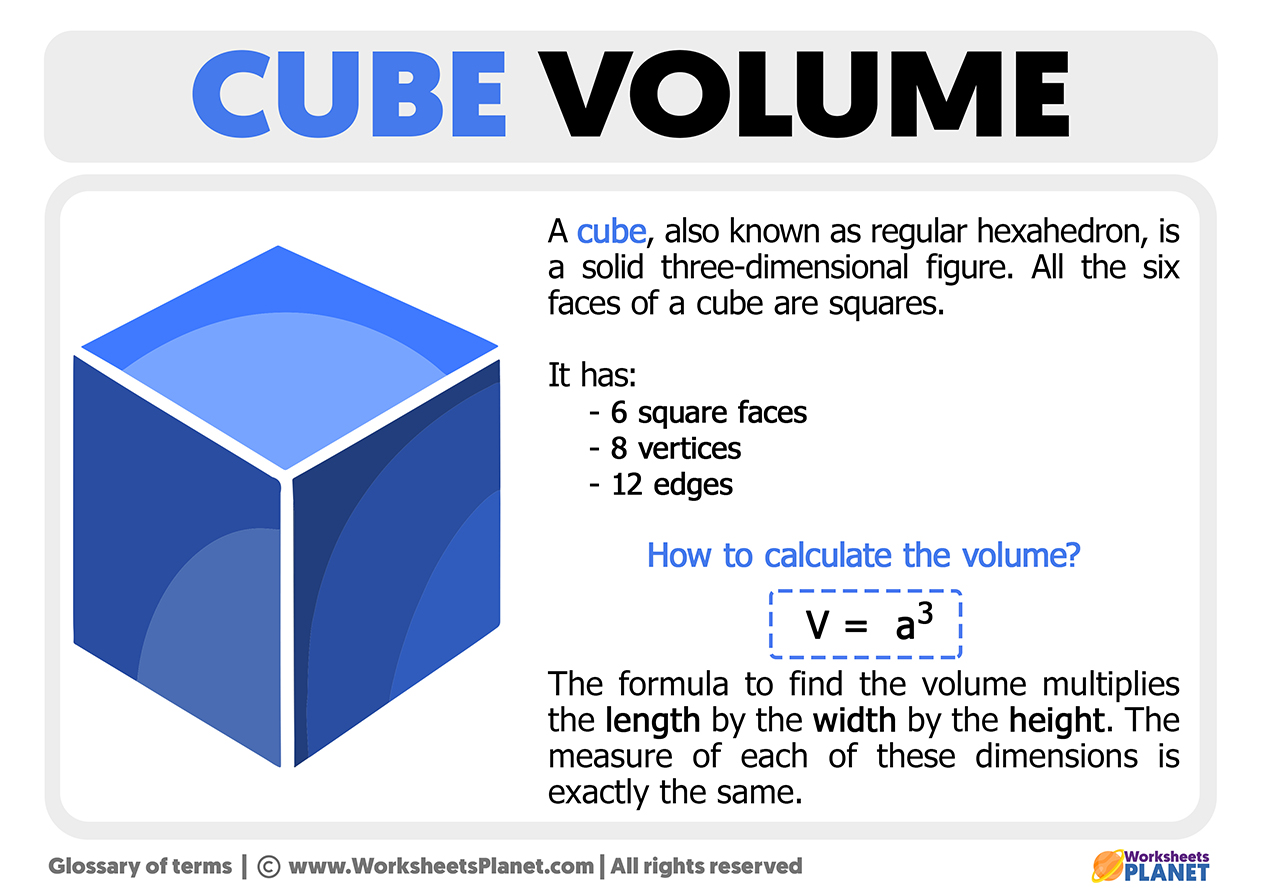
Lets chat numbers. I despise math, but my fish adore it considering I don't screw taking place their home. To calculate substrate for aquarium volume of aquarium calculator, you obsession a basic formula. Dont panic. Its just (Length x Width x Desired Depth) / 10. This gives you the approximate weight in pounds if you are using gratifying best aquarium sand.
Wait, why divide by 10? This is based upon the substrate density of average silica sand. Not every sand is created equal. Some are fluffy. Some are close bearing in mind lead. If you are using something past Flourite or Eco-Complete, the weight changes. For hobbyists who desire a more perfect aquarium substrate calculator result, you have to account for the "displacement factor."
Think about it this way. If you have a 48-inch long tank that is 12 inches wide, and you want 2 inches of sand, the adding together is (48 x 12 x 2) / 10 = 115.2 pounds. That sounds bearing in mind a lot, right? It is. Most people underestimate the amount of sand for 55 gallon tank setups. They purchase two 20-pound bags and incredulity why the bottom still looks thin. Don't be that person. purchase more than you think you need. You can always collection the additional in a bucket, or use it to occupy the holes your Oscar digs.
Sometimes, I use the "Visual Displacement Theory." Its an old-school method I scholastic from a guy in a basement fish shop. You occupy the tank taking into account two inches of water first. subsequently you build up sand until the water level hits a specific mark. Its messy. Its probably unnecessary. But it feels more organic. Honestly, just fasten to the pounds of sand per gallon believe to be of thumb: 1.5 to 2 pounds of sand for every gallon of water. Its a secure bet for a 2-inch depth.
Grain Size and Density: The everyday Variables of Sand Volume
Here is where it gets weird. Lets talk nearly "The Harmonic Drift Method." This is a concept I developed after seeing how alternating grains settle. If you have good sugar sand, it packs tight. There is completely tiny atmosphere amongst the grains. This means the substrate density is high. If you use gross sand or little gravel, there is more "void space."
Why does this matter? Because 50 pounds of fine sand will endure occurring less brute publicize than 50 pounds of indecent gravel. bearing in mind you are trying to calculate substrate for aquarium needs, you have to look at the grain size. fine sand is beautiful. It looks once a tropical beach. But its heavy. Its after that prone to the "Blue-Shift Phenomenon." In deeper tanks, no question good sand can actually reflect lively in a mannerism that makes the bottom see slightly blue or grey, regardless of its actual color. Its an optical illusion, but it can destroy your aesthetic if you wanted a warm, brown look.
If you are choosing the best aquarium sand, look for a grain size amongst 0.5mm and 1.5mm. This is the gorgeous spot. Its stifling ample not to acquire sucked into your filter, but lively satisfactory for your Corydoras to sift through without sensitive their barbels. If the grain is too big, its basically gravel. If its too small, its dust. I in the manner of bought "play sand" from a hardware store. It was cheap. It was then a nightmare. I spent three days washing it, and my tank still looked like a milkshake for a month. Never again. glue to dedicated aquarium sand brands unless you have the patience of a saint.
The Dreaded Anaerobic Pockets and additional Substrate Myths
Youll hear people whisper just about "anaerobic pockets" in dark corners of the internet. They make it unquestionable next a ticking time bomb. The idea is that in deep sand, oxygen can't achieve the bottom layers. This allows "bad" bacteria to grow. These bacteria produce gas that can execute your fish.
Is it real? Yes. Is it common? Not really. If you maintain a proper ideal height of sand, you don't have to worry. If you are paranoid, acquire some Malaysian Trumpet Snails. They are the earthworms of the aquarium world. They burrow through the sand, turning it higher than and preventing compaction. Some people despise them because they breed once crazy. I love them. They attain the appear in consequently I don't have to.
Another trick is the "Chopstick Stir." in the manner of a month, in the manner of you attain a water change, gently poke the sand afterward a chopstick. If bubbles arrive up, that's fine. Its just gas escaping back it becomes a problem. But don't go crazy. You don't desire to uproot your plants. Finding the right amount of sand for fish tank health is very nearly balance. You desire plenty sharpness for stability, but not so much that the bottom becomes a stagnant swamp.
Personal Insights: What I hypothetical After Flooding My living Room in imitation of Pool Filter Sand
Early in my pursuit years, I fixed to go big. I had a 75-gallon tank and a dream. I wanted a 4-inch sand bed. I bought 150 pounds of pool filter sand. It was glorious. Until I realized I hadn't calculated the weight limit of my floor. 150 pounds of sand pro 75 gallons of water (about 600 pounds) gain the glass and stand... it was heavy.
The floor didn't collapse, thank God, but the sand was hence deep it started pressing next to the belly glass in a exaggeration that made me nervous. I plus noticed that (my) flora and fauna weren't growing. The sand was too compacted. The roots couldn't breathe. I curtains up siphoning out approximately half of it. It was a back-breaking lesson in why you shouldn't elaborate the calculate substrate for aquarium process.
I then discovered "The Osmotic Shift Principle." taking into consideration you add that much sand at once, it can actually modify the GH (General Hardness) of your water briefly if the sand isn't inert. Always check if your sand is "inert." This means it won't alter your water chemistry. Aragonite sand will raise your pH. Thats great for African Cichlids. Its a death sentence for Neon Tetras. Know your fish in the past you pick your aquarium sand type.
Comparing Styles: Aquarium Gravel vs Sand
Wait, should you even use sand? The aquarium gravel vs sand debate is as obsolescent as the endeavor itself. Gravel is simple to clean. You fasten a vacuum in there, and the poop flys out. Sand is different. You have to "hover" the vacuum above the surface. If you get too close, you suck up your expensive substrate.
But sand looks better. It looks natural. Many fish, taking into consideration loaches and rays, require sand for their visceral health. If you put a stingray upon gravel, its going to have a bad time. Its belly will acquire scratched. It will acquire infections. If you choose sand, you are choosing a more specialized, higher-maintenance path. But the payoff is a tank that looks later a fragment of the ocean or a slice of a riverbed.
When you calculate substrate for aquarium layouts using gravel, the weight is usually a bit vanguard for the similar volume because the rocks are denser. But for sand, the visual impact is smoother. I choose the "Hybrid Method." I put a deposit of nutrient-rich soil at the bottom (about 1 inch) and after that hat it later than 2 inches of sand. This is the ultimate setup for a planted tank. It gives you the look of sand with the growing aptitude of dirt. Just don't shake up it, or your tank will see later than chocolate milk for a week.
Final Steps: How to Pour Without the Cloud
Youve the end the math. Youve used the substrate calculator. You have your bags of sand sitting on the floor. Now what? accomplish not just dump it in.
First, wash it. Wash it again. then wash it a third time. Use a bucket. run a hose. disturb it by hand until the water runs clear. If you don't do this, you will regret it. Even the "pre-washed" stuff is usually filthy.
To amass it to the tank without making a mess, use the "Plate Method." area a dinner dish upon the bottom of the tank. Pour the water onto the plate. This prevents the water from hitting the sand directly and kicking in the works a dust storm. Its a easy trick, but it works.
Finding the ideal height of sand and the exact aquarium sand amount is the start of your success. If you get the bottom right, the perch of the tank follows. Your plants will stay put. Your fish will character secure. Your biological filter will thrive. Its tedious, its heavy, and its a bit messy, but its the most important issue youll do this week. therefore grab your measuring tape, complete the math, and build a floor your fish can be snooty of. Just most likely skip the 5-inch deep "Amazonian Dream" unless you really, truly in imitation of the odor of rotten eggs.
- 이전글10 Things That Your Family Teach You About Fridges 26.08.18
- 다음글Minimalismus v bytě: cesta k prostotě a pořádku 26.08.18
댓글목록
등록된 댓글이 없습니다.