Guide To Conex Containers: The Intermediate Guide The Steps To Conex C…
페이지 정보

본문
Exploring Conex Containers: Versatility and Applications
Conex containers, also called shipping containers or cargo containers, have transformed the logistics and construction markets. Originating from the need for a standardized way to transport items across maritime limits, these steel boxes have actually developed into multifunctional areas appropriate in various sectors. This post explores the origins, utilizes, advantages, and potential of Conex containers in contemporary society.
What Are Conex Containers?
Conex containers are large, standardized steel boxes designed for the transport of products throughout various modes of transport, including ships, trains, and trucks. The term "Conex" stems from "Container Express," which was at first a military term used to describe these containers. They come in numerous sizes, the most common being the 20-foot and 40-foot variants.
Table 1: Standard Sizes of Conex Containers
| Container Size | External Dimensions (Feet) | Internal Dimensions (Feet) | Volume (Cubic Feet) | Weight (Empty) |
|---|---|---|---|---|
| 20 feet | 20 x 8 x 8.5 | 19.4 x 7.7 x 7.9 | 1,169 | 4,850 lbs |
| 40 feet | 40 x 8 x 8.5 | 39.5 x 7.7 x 7.9 | 2,385 | 8,000 pounds |
| 40 ft High Cube | 40 x 8 x 9.5 | 39.5 x 7.7 x 8.9 | 2,694 | 8,500 lbs |
Development of Conex Containers
The idea of Intermodal Containers shipping containers emerged in the 1950s, spearheaded by Malcolm McLean, a trucker who looked for to improve loading and discharging efficiency at ports. The standardization of container sizes enabled easier transport and dealing with across different transport systems, drastically enhancing shipping performance and lowering expenses.
Secret Milestones in Container Development
- 1956: First commercial usage of Shipping Containers For Sale containers by Malcolm McLean.
- 1961: The International Organization for Standardization (ISO) sets standards for container sizes.
- 1980s: Global trade booms, further promoting shipping containers.
- 2000s: Emergence of modified containers for non-traditional uses such as housing and offices.
Applications of Conex Containers
The versatility of Conex containers extends beyond shipping. Their intrinsic resilience and versatility have caused numerous innovative applications throughout various markets:
1. Storage Solutions
Conex containers offer secure storage for businesses and people. Their sturdy construction protects contents from natural components, theft, and vandalism.
2. Construction Sites
On construction websites, these containers serve dual functions: as storage units for tools and products and as short-lived offices or workstations.
3. Housing
Over the last few years, shipping containers have gotten traction as a sustainable building option. They are increasingly used to develop budget-friendly housing, emergency shelters, and even special getaway rentals.
4. Mobile Businesses
Entrepreneurs have embraced the pattern of using Conex containers as mobile stores, cafés, and food trucks. Their portability permits easy relocation based upon consumer demand or seasonal trends.
5. Military Applications
Conex containers are thoroughly used in military operations. They work as transport units for workers, equipment, and supplies, often repurposed into living quarters or command centers.
6. Eco-Friendly Initiatives
With a growing focus on sustainability, Conex containers are being repurposed into green spaces, community gardens, and city farms, including value to ecological initiatives.
Table 2: Diverse Uses of Conex Containers
| Industry | Application | Description |
|---|---|---|
| Storage | Protect Storage | Protects products from theft and weather condition. |
| Construction | Website Offices | Temporary workstations or living spaces. |
| Property | Affordable Housing | Ingenious homes and shelters. |
| Retail | Mobile Food Outlets | Portable cafes and stores. |
| Military | Transport and Command Centers | Used Shipping Containers for logistics and living quarters. |
| Environment | Urban Farming | Transforming containers into green areas. |
Benefits of Using Conex Containers
The popularity of Conex containers throughout markets can be credited to their many advantages:
Cost-Effective: Compared to traditional construction and storage solutions, Conex containers are relatively inexpensive. The low preliminary investment and resilience make them cost-efficient.
Durability: Made from weather-resistant steel, Conex containers can hold up against extreme conditions, making them appropriate for numerous climates.
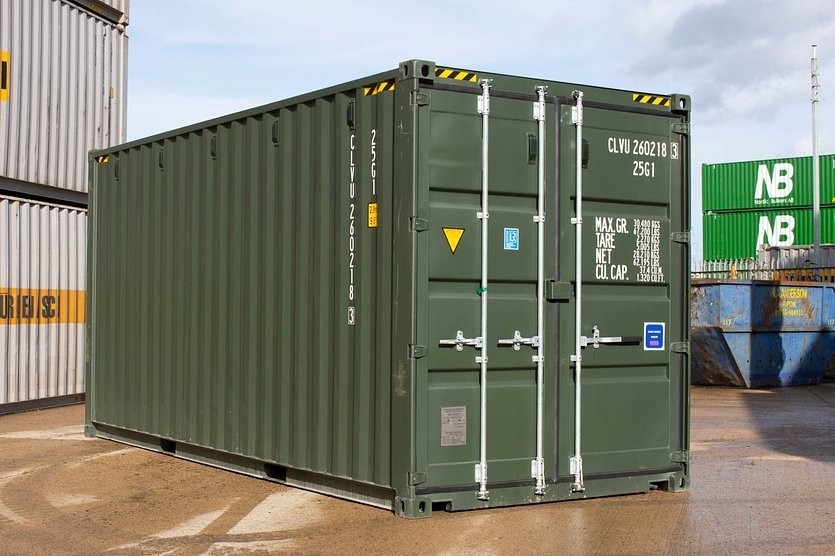
Mobility: Their modular design provides itself to quick transport and moving, particularly helpful for services requiring versatility.
Sustainability: Utilizing Conex containers for construction or storage promotes recycling and resource conservation.
Customizability: Containers can be modified to satisfy particular needs, whether for insulation, ventilation, or aesthetic purposes.
Often Asked Questions (FAQ)
Q1: Are Conex containers waterproof?
A: While shipping containers are generally water-resistant, their leak-proof nature can be compromised. For long-term storage or particular applications, additional sealing may be needed.
Q2: Can Conex containers be stacked?
A: Yes, Conex Containers (my sources) are developed to be stacked, permitting effective use of space. However, weight constraints should be observed to make sure structural integrity.
Q3: How can I customize a Conex container for living functions?
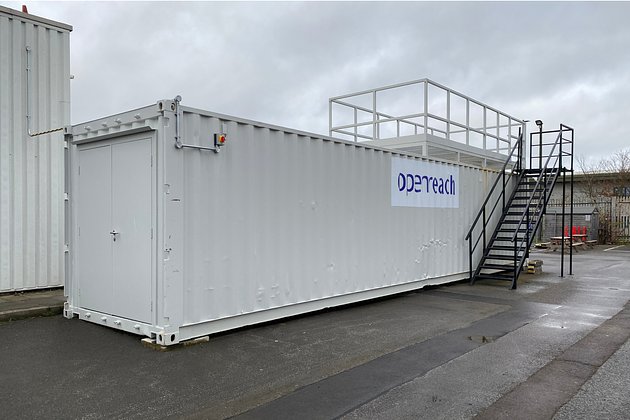
A: Modifications include adding insulation, windows, electrical systems, plumbing, and interior partitions. Consulting with an expert is advised for detailed renovations.
Q4: Do I need a special authorization to position a Conex container on my residential or commercial property?
A: Regulations vary by place. It's advisable to consult regional authorities or zoning boards to make sure compliance before placing a container on your home.
Q5: What upkeep is required for Conex containers?
A: Routine maintenance consists of looking for rust, ensuring seals are undamaged, and inspecting structural integrity. Routine cleaning helps extend the life expectancy of the container.
Conex containers have proven to be a game-changer in various markets, providing not simply logistical benefits but likewise innovative solutions for housing, storage, and ecological initiatives. Their versatility, resilience, and cost-effectiveness ensure that Conex containers will continue to be a substantial asset in a rapidly changing global landscape. As the need for sustainable and adaptable solutions rises, the potential applications of Conex containers are bound to broaden even further, solidifying their location in the contemporary economy.
- 이전글상무지구쓰리노 [예약문의 O1O-2433-4669] 혼자 상무지구룸싸롱 상무지구룸싸롱 26.07.08
- 다음글쏘울홈타이 - 서울, 강남, 인천, 수원, 부천, 안산 등 수도권 출장마사지 전지역 안마 가능 26.07.08
댓글목록
등록된 댓글이 없습니다.