The History Of High Cube Shipping Containers
페이지 정보

본문
Understanding High Cube Shipping Containers: A Comprehensive Guide
High cube shipping containers have become a staple in the global shipping and storage markets. Understood for their extra height compared to standard containers, they offer special advantages that accommodate a variety of logistical needs. This post intends to offer an extensive exploration of high cube shipping containers, their specifications, benefits, and common usages.
What are High Cube Shipping Containers?
High cube shipping containers are basically standard shipping containers that are taller than average. While a regular shipping container is usually 8.5 feet high, high cubes stand at 9.5 feet. This minor boost in height can make a considerable distinction when it comes to maximizing space and shipping efficiency.
Specs
Below is a comparison table highlighting the specifications of standard vs. high cube New Shipping Containers containers:
| Container Type | External Dimensions (L x W x H) | Internal Dimensions (L x W x H) | Volume | Weight Capacity |
|---|---|---|---|---|
| Standard Container | 20' x 8' x 8.5' | 19' 4" x 7' 8" x 7' 10" | ~ 1,172 cu feet | 44,000 lbs |
| High Cube Container | 20' x 8' x 9.5' | 19' 4" x 7' 8" x 8' 10" | ~ 1,300 cu ft | 44,000 lbs |
| Standard Container | 40' x 8' x 8.5' | 39' 5" x 7' 8" x 7' 10" | ~ 2,390 cu ft | 67,200 pounds |
| High Cube Container | 40' x 8' x 9.5' | 39' 5" x 7' 8" x 8' 10" | ~ 2,700 cu feet | 67,200 pounds |
Benefits of High Cube Shipping Containers
High cube shipping containers offer a number of benefits over their standard equivalents. Here are some compelling factors why organizations turn to high cubes:
Increased Storage Capacity: The additional height supplies additional area, enabling more goods to be stored without increasing the container's footprint.
Flexibility: High cube containers can accommodate taller items, making them perfect for businesses dealing with extra-large products, machinery, or devices.
Better for Airflow: The extra height can likewise enhance ventilation, which is important for specific kinds of cargo that might be sensitive to humidity or temperature level.
Container Modifications: They are often more adaptable for repurposing into living spaces, offices, or pop-up shops due to their increased internal volume.
Alleviate of Loading: The greater interior enables simpler stacking of products, decreasing the danger of damage during transit.
Typical Uses of High Cube Shipping Containers
High cube shipping containers are not simply for shipping; they have a wide variety of applications, including:
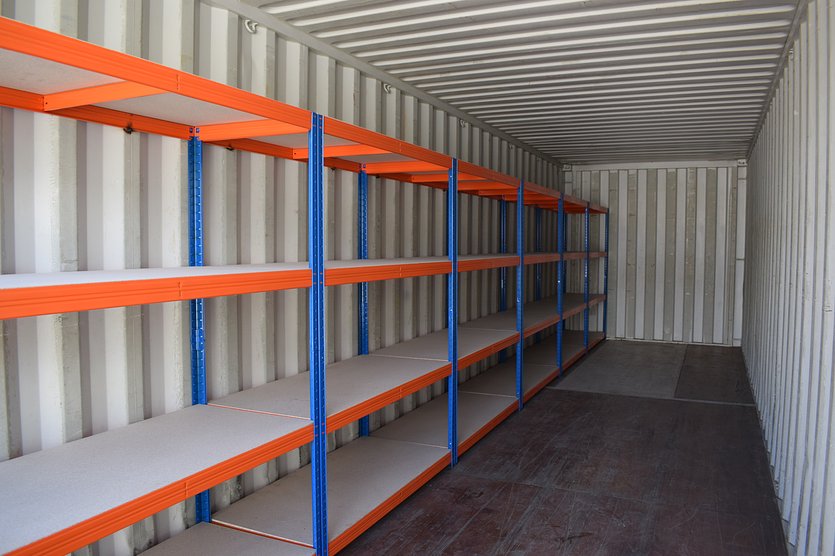
Warehouse Storage: Businesses frequently utilize high cubes for on-site storage solutions.
Momentary Offices: These containers can be modified into functional office for construction sites or events.
Homes and Living Spaces: More people are using high cubes in container homes due to their large interiors.
Retail Space: High cubes can be transformed into retail pop-up stores, providing flexibility for companies.
Mobile Workshops: High cubes can be outfitted with tools and devices, making them ideal for mobile workshops or trade tasks.
FAQs about High Cube Shipping Containers
1. Are high cube containers more pricey than basic containers?
Normally, high cube containers do cost more than standard containers due to their increased height and area. However, the price can differ based upon size, condition, and extra modifications.
2. What is the optimum load capacity for a high cube container?
A high cube container usually has the same weight capability as a basic container, varying from 44,000 lbs for a 20-foot container to 67,200 lbs for a 40-foot container. Nevertheless, the real usable weight may vary based upon regional regulations and Shipping Container Homes requirements.
3. Can high cube containers be stacked?
Yes, high cube containers can be stacked much like basic containers. In fact, their design enables reliable stacking, which is essential for making the most of space on cargo ships, trains, and storage facilities.
4. Are high cube containers appropriate for all kinds of cargo?
While high cube containers are flexible, they may not be fit for particular cargo types that have specific shipping requirements. It is vital to evaluate the nature of the items being carried to guarantee compatibility.
5. What are the typical materials used in high cube containers?
High cube containers are typically made from corten steel, which is known for its durability and resistance to deterioration. Some Intermodal Containers may likewise feature wood or metal floor covering.
6. How do I clean and preserve a high cube container?
Regular maintenance includes inspecting for rust, making sure the seals are intact, and cleaning up both the interior and outside surface areas. Simple cleaning agent and water can be used for cleansing, while a soft brush can assist get rid of any particles.
High cube shipping containers are an excellent investment for a variety of uses, from shipping and storage to developing short-lived structures. Their increased height uses special advantages that can greatly benefit businesses and individuals alike. Understanding the specifications, benefits, and potential applications of high cube containers is important for anybody considering their usage. As the shipping industry continues to evolve, high cube containers will certainly stay an important part of effective logistics and ingenious design solutions. Whether for commercial or personal usage, high cube containers can provide significant value and adaptability.
- 이전글Guide To Driving Licence Buy: The Intermediate Guide On Driving Licence Buy 26.07.10
- 다음글비아그라 구매 후 상담 서비스도 받을 수 있나요? 26.07.10
댓글목록
등록된 댓글이 없습니다.