Three Guilt Free What Is Rice Tips
페이지 정보

본문
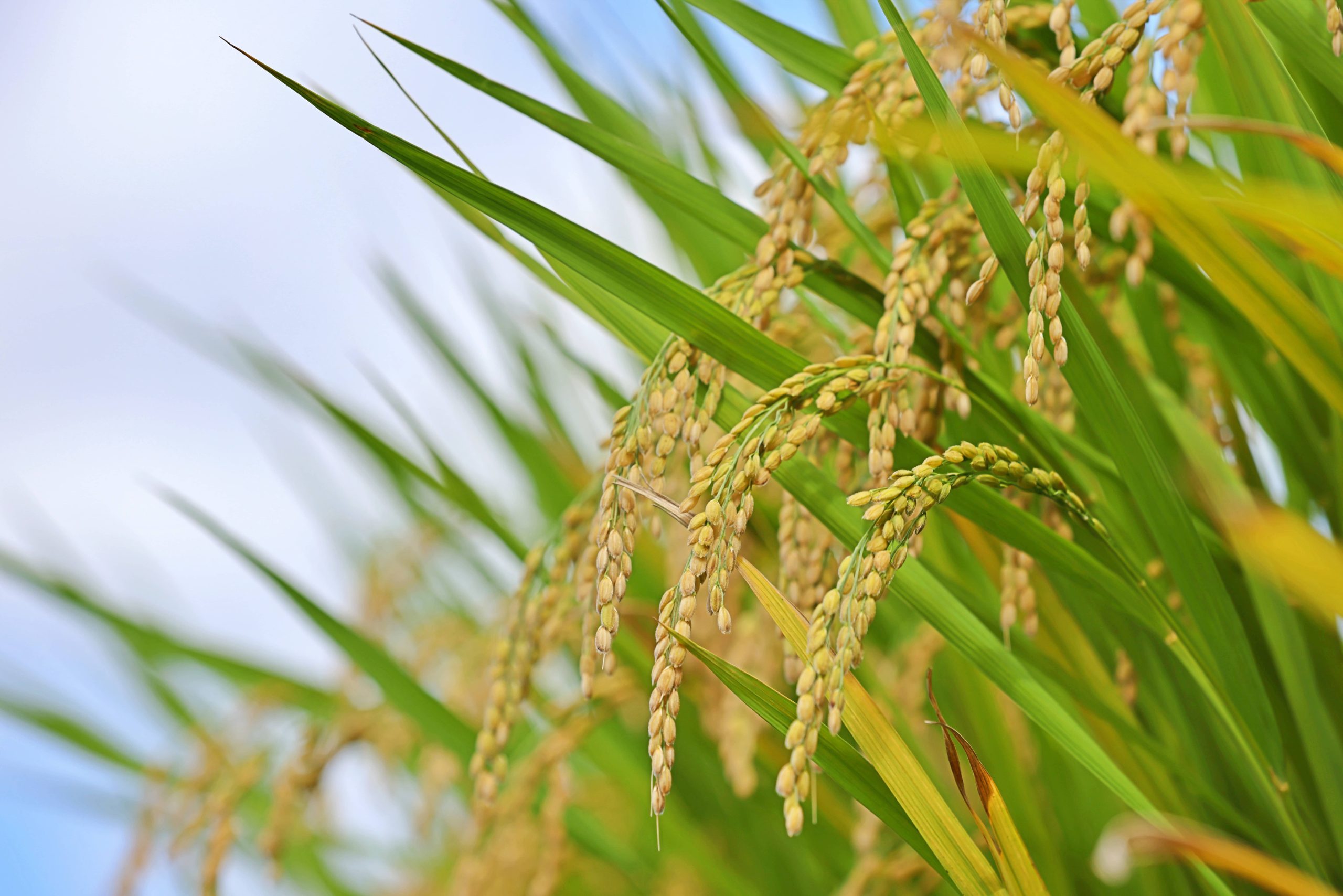 The rice plant becomes able to reproduce about 2 ½ months after sowing, when a panicle begins to form. Because it still comprises the rice germ and outer bran layers, brown rice accommodates extra fibre and vitamins than white rice. The by-products of milling, including bran and rice polish (finely powdered bran and starch ensuing from polishing), are generally used as livestock feed. The smaller broken rice grains are floor into rice flour which could be utilized in baby foods, snack foods, together with rice crackers, muesli bars, or as a baking ingredient. Unstabilised rice bran can be utilized in stockfeed and for other animal and industrial products. Gentle milling removes the germ and bran layers from the grain to expose a white starch centre. Rice bran is the outer layer of the brown rice grain. Rice husks are the primary by-product of rice production. It's a small semiaquatic grass, comprised of a important stem and multiple tillers, or shoots, that produce both a flower or panicle. The panicle, which bears the fruit (on this case, the rice grain), pushes via the leaves and because it absolutely emerges, produces a flower that can be pollinated. The rice husk is the protective layer surrounding the grain.
The removal of the rice husk is the first stage of rice milling. Brown rice, where only the husk is eliminated, comprises about 8 percent protein and small quantities of fats; it additionally has thiamine, niacin, riboflavin, iron, and calcium. Rice that is processed to remove only the husks, known as brown rice, incorporates about 8 % protein and small quantities of fats and is a source of thiamine, niacin, riboflavin, iron, and calcium. More than ninety p.c of the world’s rice is grown in Asia, principally in China, India, Indonesia, and Bangladesh, with smaller quantities grown in Japan, Pakistan, and numerous nations of Southeast Asia. Rice stubble could be very thick and difficult to deal with. A portion of the remaining stubble is normally burnt off and a winter cereal crop, similar to wheat, is planted. Rice is a cereal, related to other cereal grass plants equivalent to wheat, oats and barley. Rice is such an integral a part of the Zojirushi community, that we’ve deliberate a collection of posts about this extremely versatile and vital plant. Rice stubble is the stalks and roots of the rice plant left in the ground after it has been harvested.
Our deep relationship with rice dates back to nearly 10,000 BCE, where the rice plant that we all know even to at the present time, Oryza sativa, was domesticated from its wild progenitor, Oryza rufipogon. The plant matures in stages over 3-6 months, from the vegetative state, to the reproductive state, to the ripening state. The grains ripen over the subsequent three months, and when able to harvest, the whole plant is picked from the soil. Indica varieties are often characterised by having lengthy, slender grains that keep separate and are fluffy once cooked, while Japonica varieties are smaller, spherical and when cooked are classed as ‘softer’ cooking and are sticky and moist. Stay tuned for subsequent month’s publish about the forms of rice grains and the way rice goes from the seed of the rice plant to the grain you find in your market. When mix harvesters or binder threshers are employed, the grain must be dried to about 14 p.c moisture so that no deterioration takes place in storage. Fields have to be drained and dried earlier than harvesting. In arid zones, the plant survives as a perennial, producing new tillers following harvesting. Wet situations will see the expansion of the shoot first, so that oxygen will be equipped to the plant, whereas in dry circumstances, roots will emerge in order that the plant could have a healthy provide of water.
Rice is cooked by boiling, or it can be floor into a flour. How massive do rice plants develop? Rice plants are evenly dried in the sun following rainy situations or after harvest, and are threshed to remove the stems and leaves from the grains. See additionally list of plants in the household Poaceae. The panicle, or inflorescence (flower cluster), is made up of spikelets bearing flowers that produce the fruit, or grain. The panicle, or inflorescence (flower cluster), is manufactured from spikelets bearing flowers that produce the fruit or grain. Once eliminated, the rice grain is packaged as brown rice. The rice husk is the hard, protective shell on the grain. The way in which rice is processed impacts its nutritional profile. White rice is simply brown rice with the bran and germ layer removed. Stabilised rice bran is sold as a health meals in supermarkets and well being food retailers, or to meals manufacturers who use it as an ingredient in foods similar to crispbreads and breakfast cereals. Other merchandise in which rice is used are breakfast cereals, noodles, and such alcoholic drinks as Japanese sake.
If you have any inquiries regarding where and just how to make use of what is rice, you can contact us at our own webpage.
- 이전글센트립 효과 복용법 부작용 정리 및 정품 구별 방법 — 비아몰 26.06.08
- 다음글나이가 들수록 달라지는 남성 자신감, 성인 건강몰 — 초기 관리 가이드, 조기 관리의 중요성 26.06.08
댓글목록
등록된 댓글이 없습니다.